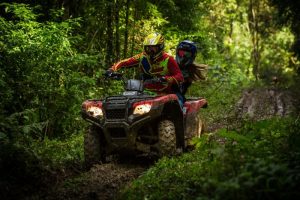
Get ready to explore the exhilarating world of mountain biking and bikepacking! From breathtaking trails to essential gear, this topic will take you on a journey filled with excitement and adventure.
Whether you’re a seasoned cyclist or a newbie looking to embark on your first biking trip, this discussion will provide valuable insights and tips to make your experience unforgettable.
Mountain Biking and Bikepacking
Mountain biking and bikepacking are both exciting outdoor activities that involve cycling, but they differ in their focus and goals. Mountain biking typically involves riding off-road trails, through rugged terrain, and often includes technical challenges such as steep descents and obstacles. On the other hand, bikepacking combines cycling with overnight camping, with riders carrying all their gear and supplies on their bikes, usually on multi-day adventures.
Essential Gear for Mountain Biking and Bikepacking
- A sturdy mountain bike with appropriate tires for the terrain
- Helmet and other protective gear such as knee and elbow pads
- Bike repair kit with tools, spare tubes, and a pump
- Bikepacking bags or panniers to carry camping gear and supplies
- Sleeping bag, lightweight tent or bivvy, and camping stove
Best Mountain Biking and Bikepacking Destinations
- Mountain Biking: Whistler, Canada; Moab, Utah, USA; Rotorua, New Zealand
- Bikepacking: The Great Divide Mountain Bike Route (USA); The Silk Road (Central Asia); The Alps (Europe)
Physical Fitness for Mountain Biking and Bikepacking Adventures
Mountain biking and bikepacking require a good level of physical fitness, as they involve challenging terrain and long hours in the saddle. Riders should have a strong cardiovascular endurance, muscular strength, and balance. Training with regular cycling, strength exercises, and endurance workouts can help prepare for these adventures.
Cycling & Bikepacking Travel

When it comes to exploring new destinations on two wheels, traditional cycling and bikepacking offer distinct experiences for adventurers. While traditional cycling focuses on speed and distance, bikepacking is more about self-sufficiency and exploring remote areas.
Comparing Traditional Cycling with Bikepacking Travel
Traditional cycling involves riding on paved roads or well-maintained trails with the goal of covering long distances in a shorter amount of time. On the other hand, bikepacking combines cycling with camping, allowing riders to venture off-road and immerse themselves in nature while carrying all their gear on their bikes.
Benefits of Incorporating Bikepacking into Cycling Trips
- Opportunity to explore remote and less-traveled areas
- Enhanced sense of adventure and self-sufficiency
- Closer connection to nature and the environment
- Ability to customize routes and itineraries based on personal preferences
Tips for Planning a Successful Cycling and Bikepacking Travel Itinerary
- Research the terrain and climate of the destination
- Pack light and only bring essential gear
- Plan water and food resupply points along the route
- Ensure your bike is in good condition before setting off
- Share your itinerary with someone for safety purposes
Environmental Impact of Cycling and Bikepacking Travel
Both cycling and bikepacking have minimal environmental impact compared to other forms of transportation, as they do not rely on fossil fuels and produce zero emissions. By choosing to travel on two wheels, adventurers can reduce their carbon footprint and contribute to a more sustainable way of exploring the outdoors.
Road Trips & Van Life Travel
Road trips can be taken to the next level by incorporating mountain biking stops along the way. This allows for a perfect blend of adventure, exploration, and physical activity, making the journey even more memorable and exciting.
Enhancing Road Trips with Mountain Biking Stops
- Plan your route in advance and research popular mountain biking trails or parks along the way.
- Ensure your vehicle has enough space to transport your mountain bike securely.
- Pack essential biking gear such as a helmet, gloves, repair kit, and water bottles for each biking stop.
- Take breaks to enjoy the scenery and unique landscapes that only mountain biking trails can offer.
Advantages of Using a Van for Mountain Biking Road Trips
- A van provides ample storage space for multiple bikes, gear, and equipment, keeping everything organized and easily accessible.
- Van life allows for flexibility in choosing where to camp or stay overnight, providing more freedom and autonomy during your mountain biking adventures.
- Having a van means you can bring along all the comforts of home, such as a cozy bed, kitchenette, and storage for food and drinks.
- Van life fosters a sense of community among fellow mountain bikers, as you can easily connect with like-minded individuals at campsites or biking hotspots.
Challenges and Rewards of Living the Van Life for Mountain Biking Adventures
- Challenge: Limited space in a van can make it challenging to store all your biking gear and personal belongings.
- Challenge: Finding suitable camping spots or accommodation with amenities for showering and laundry can be a struggle while living the van life.
- Reward: The freedom to travel to different mountain biking destinations without worrying about booking hotels or finding accommodation.
- Reward: The opportunity to immerse yourself in nature and truly disconnect from the hustle and bustle of everyday life.
Tips for Efficiently Packing for a Road Trip with Mountain Biking Excursions
- Use packing cubes or bags to keep your biking gear separate from your clothing and personal items.
- Invest in a bike rack or storage system for your van to securely transport your bikes without taking up too much interior space.
- Pack lightweight and versatile clothing that can be easily layered for changing weather conditions while biking.
- Don’t forget to bring along a first aid kit, sunscreen, insect repellent, and other essentials for outdoor adventures.
Rock Climbing Travel
Rock climbing travel offers a unique adventure for outdoor enthusiasts seeking a thrilling challenge in breathtaking natural landscapes. The combination of physical exertion, mental focus, and the sense of accomplishment makes rock climbing a popular choice for travelers looking to push their limits and connect with nature.
Exploring the Crossover
Rock climbing and mountain biking share a common love for the outdoors and adrenaline-fueled activities. Both sports require physical strength, endurance, and mental agility, making them a perfect match for travelers seeking a well-rounded adventure experience.
Complementing Travel Itineraries
When planning a rock climbing travel itinerary, incorporating mountain biking can add an exciting twist to the journey. Mountain biking can serve as a great way to explore the surrounding areas, access remote climbing spots, and provide a fun mode of transportation between climbing locations.
Safety Considerations
Combining rock climbing and mountain biking in travel plans requires careful consideration of safety measures. It is essential to ensure that all equipment is in good condition, follow proper safety protocols for each activity, and be prepared for any unexpected challenges that may arise during the journey.
Mental and Physical Benefits
Engaging in both rock climbing and mountain biking during travels offers a multitude of benefits for the mind and body. From improving physical fitness and coordination to enhancing problem-solving skills and boosting confidence, these activities provide a holistic approach to adventure travel that leaves travelers feeling invigorated and accomplished.
Extreme Sports Travel
When it comes to extreme sports travel, the adrenaline rush experienced in activities like mountain biking is unparalleled. The thrill of conquering challenging terrains and pushing personal limits creates a unique and exhilarating experience for adventure enthusiasts.
Adrenaline Rush in Extreme Sports
- Engaging in extreme sports like mountain biking provides an intense adrenaline rush that is addictive for thrill-seekers.
- The rush of speeding down rocky trails or navigating steep descents creates a sense of excitement and accomplishment.
- Pushing through obstacles and overcoming challenges in extreme sports can result in a surge of adrenaline and a feeling of euphoria.
Comparing Risks in Extreme Sports
- Extreme sports like mountain biking involve risks such as injuries from falls, collisions, or mechanical failures.
- Compared to other adventure activities, the risks in mountain biking can be higher due to the speed and technical nature of the terrain.
- Proper safety gear, training, and caution are essential to mitigate risks and ensure a safe and enjoyable experience in extreme sports.
Memorable Extreme Sports Travel Experiences
- Riding through the rugged trails of Moab, Utah, and witnessing breathtaking landscapes while mountain biking was a truly unforgettable experience.
- Exploring the adrenaline-pumping downhill tracks of Whistler, Canada, and challenging personal limits made for a thrilling extreme sports travel adventure.
- Navigating the winding paths of the Alps in Europe on a mountain biking expedition provided a mix of adrenaline, scenic beauty, and cultural immersion.
Appeal of Extreme Sports Travel
- For thrill-seekers and adventure enthusiasts, the appeal of extreme sports travel lies in the adrenaline-fueled experiences and the opportunity to test physical and mental boundaries.
- Exploring new destinations through extreme sports allows travelers to connect with nature, challenge themselves, and create lasting memories.
- The sense of achievement and adrenaline rush obtained from extreme sports travel serves as a driving force for those seeking excitement and adventure in their journeys.
Sailing & Boating Travel
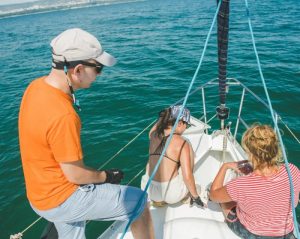
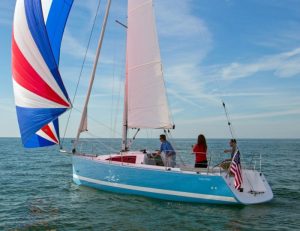
Sailing and boating travel offer unique opportunities to explore the world’s waters, but combining these adventures with mountain biking can take your journey to the next level.
Integration of Mountain Biking into Sailing or Boating Travel Adventures
When planning a multi-sport travel itinerary that includes both mountain biking and sailing or boating, consider the following tips:
- Choose destinations with both coastal access and mountainous terrain for diverse activities.
- Invest in a quality folding or inflatable mountain bike that can easily be stored on board.
- Coordinate with local guides or tour operators who specialize in both sailing and mountain biking to maximize your experience.
- Plan your schedule to allow for both on-water and on-land activities, ensuring a balanced adventure.
Challenges and Rewards of Combining Mountain Biking with Sailing or Boating Trips
Combining mountain biking with sailing or boating trips can present challenges such as limited storage space for bikes, navigation logistics, and varying weather conditions. However, the rewards include the opportunity to explore remote islands, coastal trails, and picturesque landscapes that are only accessible by boat and bike.
Diverse Landscapes and Terrains for Sailing, Boating, and Mountain Biking Adventures
Exploring a combination of sailing, boating, and mountain biking adventures can lead you to:
- Remote islands with rugged trails and pristine beaches.
- Coastal cliffs and headlands offering breathtaking views for both sailing and biking enthusiasts.
- Inland waterways and lakes surrounded by lush forests and challenging mountain paths.
- Historic ports and coastal towns that serve as perfect starting points for biking excursions.
Last Word

As we conclude our discussion on mountain biking and bikepacking, remember to gear up, choose your destination wisely, and embrace the thrill of the ride. Whether you prefer rugged mountain trails or scenic bikepacking routes, the world is yours to explore on two wheels.
Helpful Answers
What is the difference between mountain biking and bikepacking?
Mountain biking focuses on off-road cycling on rugged terrains, while bikepacking involves long-distance cycling trips with camping gear on your bike.
What physical fitness level is required for mountain biking and bikepacking adventures?
Both activities require a good level of fitness, with mountain biking demanding more agility and bikepacking needing endurance for long rides carrying gear.
Are there any specific destinations known for the best mountain biking and bikepacking experiences?
Yes, countries like New Zealand, Colorado, and Chile are renowned for their diverse and challenging trails for mountain biking and bikepacking enthusiasts.
How can I efficiently plan a cycling and bikepacking travel itinerary?
Start by researching your destination, packing essentials, planning rest stops, and being flexible with your schedule to make the most of your adventure.
What environmental impact does cycling and bikepacking travel have?
Both activities have a relatively low environmental impact compared to other forms of travel, as they promote eco-friendly transportation and minimal carbon footprint.