Embark on an exhilarating journey as we explore the beauty and challenges of cycling across the United States. From scenic routes to planning tips, get ready for an epic adventure like no other!
Discover the allure of long-distance cycling and the breathtaking landscapes that await you on this cross-country expedition.
Cycling across the United States
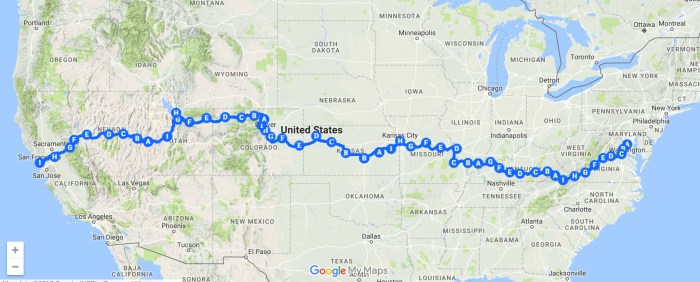
Cycling across the United States is a thrilling adventure that offers a unique way to experience the diverse landscapes, cultures, and people of this vast country. From the rugged mountains of the Rockies to the rolling hills of the Midwest, each region has its own charm and challenges for cyclists to conquer.
Planning Tips for a Long-Distance Cycling Trip
- Research and plan your route carefully, taking into account the terrain, weather, and road conditions.
- Invest in quality gear, including a reliable bike, comfortable clothing, and safety equipment.
- Train and prepare physically for the demands of long days in the saddle.
- Consider your budget for accommodations, meals, and other expenses along the way.
Best Routes and Destinations
- The TransAmerica Trail from Oregon to Virginia offers a classic cross-country route with stunning scenery and cyclist-friendly amenities.
- The Pacific Coast route from Canada to Mexico provides breathtaking views of the Pacific Ocean and charming coastal towns.
- The Great Allegheny Passage and C&O Canal Towpath offer a scenic off-road option through the Appalachian Mountains.
Challenges and Rewards
- Challenge: Dealing with extreme weather conditions, from scorching heat in the desert to freezing temperatures in the mountains.
- Reward: Sense of accomplishment and connection with nature as you pedal through iconic landscapes like the Grand Canyon or Yellowstone National Park.
- Challenge: Finding accommodations and supplies in remote areas or small towns along the route.
- Reward: Meeting fellow cyclists and locals who share a passion for adventure and the open road.
Cycling & Bikepacking Travel
When it comes to exploring the great outdoors on two wheels, there are two main options to consider: traditional cycling and bikepacking. While both involve riding a bicycle, they differ in terms of gear, approach, and overall experience.
Difference Between Traditional Cycling and Bikepacking
Traditional cycling typically involves riding a road bike on paved roads or designated bike paths. Cyclists often carry minimal gear, focusing on speed and covering long distances efficiently. On the other hand, bikepacking combines cycling with lightweight camping gear, allowing riders to venture off-road and explore remote areas. Bikepackers carry all their gear on their bikes, including a tent, sleeping bag, cooking equipment, and other essentials.
Essential Gear for Cycling Travel vs. Bikepacking Adventures
- For cycling travel: Road bike, helmet, cycling shoes, cycling clothes, repair kit, water bottles, and nutrition.
- For bikepacking adventures: Gravel or mountain bike, bikepacking bags, lightweight tent, sleeping bag, sleeping pad, stove, food supplies, water filtration system, and multi-tool.
Benefits of Bikepacking for Long-Distance Travel
- Bikepacking allows for greater freedom and flexibility in route choices, as riders can explore remote areas and backcountry trails.
- Carrying camping gear on the bike eliminates the need for hotel bookings, making bikepacking a more budget-friendly option for long-distance travel.
- Bikepacking provides a more immersive outdoor experience, allowing riders to connect with nature and enjoy the journey at a slower pace.
Personal Experiences from Bikepacking Trips
“During my bikepacking trip through the mountains, I encountered breathtaking views and challenging terrain that I would have missed on a traditional cycling route. Camping under the stars and waking up to the sounds of nature was a truly unforgettable experience.”
Road Trips & Van Life Travel
When it comes to combining cycling adventures with road trips, the idea of van life often comes into play. Van life offers a unique way to support a cross-country cycling journey while providing comfort and convenience on the road.
Advantages of Using a Van for Support
- Transportation: A van serves as a reliable mode of transportation to carry supplies, gear, and even the cyclist in case of emergencies.
- Storage Space: Vans offer ample storage space for bikes, camping equipment, tools, and personal belongings, making it easier to stay organized during the trip.
- Shelter: Having a van as a base camp provides shelter from the elements, offering a comfortable place to rest and recover after a long day of cycling.
- Flexibility: With a van, cyclists have the flexibility to change routes, explore new areas, and adapt to weather conditions without worrying about accommodation.
Tips for Converting a Van into a Comfortable Living Space
- Insulation: Proper insulation is key to regulating temperature inside the van, especially during extreme weather conditions.
- Bed Setup: Creating a comfortable bed setup with storage underneath can maximize space and ensure a good night’s sleep.
- Kitchenette: Installing a small kitchenette with a stove, sink, and fridge can make meal preparation more convenient during the journey.
- Solar Power: Utilizing solar panels for electricity can provide a sustainable power source for charging devices and lighting.
Recommendations for Combining Road Trips with Cycling Adventures
- Plan Ahead: Research cycling routes, road conditions, and camping sites along the way to ensure a smooth journey.
- Maintain Balance: Strike a balance between cycling and road tripping to enjoy both experiences without feeling rushed or overwhelmed.
- Explore Local Culture: Take the time to immerse yourself in the local culture, try regional cuisines, and interact with communities along the route.
- Stay Safe: Prioritize safety by wearing proper gear, following traffic rules, and staying aware of your surroundings at all times.
Rock Climbing Travel
Rock climbing and cycling adventures offer a unique combination of physical challenges and breathtaking experiences for outdoor enthusiasts. The thrill of conquering a challenging climb complements the sense of freedom and exploration that comes with long-distance cycling trips.
By incorporating rock climbing into cycling journeys, travelers can enjoy a well-rounded experience that engages both the body and mind. Rock climbing requires strength, agility, and problem-solving skills, while cycling builds endurance and resilience. Together, these activities provide a holistic approach to fitness and adventure.
Intersection of Rock Climbing and Cycling
- Rock climbing and cycling both require physical fitness and mental focus, making them complementary activities for outdoor enthusiasts.
- Combining rock climbing with cycling allows travelers to explore diverse landscapes and terrain, from rugged mountains to scenic valleys.
- Both activities offer a sense of accomplishment and adrenaline rush, creating memorable experiences for adventurers.
Benefits of Incorporating Rock Climbing into Cycling Trips
- Enhanced physical fitness through a combination of strength training from climbing and cardiovascular exercise from cycling.
- Improved mental stamina and problem-solving skills by tackling challenging climbs and long-distance cycling routes.
- Diversified outdoor experiences by engaging in different activities that cater to varying interests and skill levels.
Destinations for Rock Climbing and Biking Activities
- Moab, Utah: Known for its world-class rock climbing routes and scenic biking trails in the red rock desert landscape.
- Yosemite National Park, California: Offers iconic climbing spots like El Capitan and Half Dome, along with picturesque cycling routes.
- Squamish, British Columbia: A mecca for climbers with granite cliffs and mountain biking trails amidst the stunning coastal scenery.
Safety Tips for Combining Rock Climbing and Cycling Travel
- Always wear a helmet while cycling and use proper safety gear, including harnesses, ropes, and climbing shoes for rock climbing.
- Stay hydrated and nourished during activities to maintain energy levels and prevent fatigue or injuries.
- Check weather conditions and route difficulty before embarking on a climbing or cycling adventure to ensure a safe and enjoyable experience.
Extreme Sports Travel
Cycling across the United States can be considered an extreme sports travel experience due to the physical and mental challenges involved in covering such long distances on two wheels. The journey requires endurance, determination, and a sense of adventure, making it a thrilling experience for adrenaline junkies.
Comparison of Adrenaline Rush and Endurance
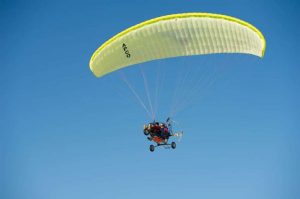
- Extreme sports like skydiving or rock climbing offer a quick adrenaline rush, while long-distance cycling provides a sustained feeling of accomplishment and endorphin release.
- Both extreme sports and long-distance cycling require mental focus, physical strength, and the ability to push past personal limits.
- The risks associated with extreme sports often involve immediate danger, whereas the risks of long-distance cycling are more related to fatigue, overuse injuries, and traffic accidents.
Risks and Precautions
- When engaging in extreme sports during a cycling trip, it is essential to wear appropriate safety gear and assess the terrain for any potential dangers.
- Cyclists should be aware of their surroundings, follow traffic laws, and stay hydrated and fueled to prevent injuries or accidents.
- Precautions such as carrying a first aid kit, having a communication device, and informing others about your route can help mitigate risks during extreme sports activities on a cycling journey.
Compelling Stories of Extreme Sports Enthusiasts
- One example is the story of a rock climber who cycled across the US to reach remote climbing destinations, combining two of his passions into one epic adventure.
- Another inspiring tale is that of a skydiver who challenged himself to cycle from coast to coast, experiencing the rush of freefalling from the sky and conquering the open road on a bike.
- These individuals exemplify the spirit of adventure and the thrill of pushing boundaries through a combination of extreme sports and long-distance cycling.
Sailing & Boating Travel
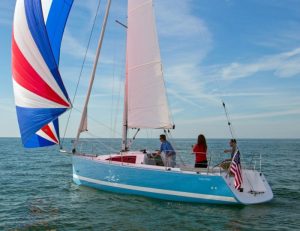
Sailing and boating travel offers a unique and adventurous way to explore the world’s coastlines, just like cycling allows for exploration on land. The freedom and sense of discovery experienced while sailing or boating are similar to the exhilaration felt while cycling across vast landscapes.
Parallels between Sailing/Boating and Cycling Adventures
- Both activities offer a sense of independence and self-reliance as travelers navigate through different terrains.
- Exploring remote and untouched areas is a common theme in both sailing/boating and cycling journeys.
- Both experiences provide opportunities to connect with nature and appreciate the beauty of the environment.
- Meeting fellow adventurers and sharing stories along the way is a significant part of both sailing/boating and cycling travel.
Coastal Routes Combining Cycling with Sailing/Boating Travel
- California Coast: Cycle along the Pacific Coast Highway and hop on a sailboat to explore the Channel Islands National Park.
- East Coast of the United States: Ride the Atlantic Coast route from Maine to Florida and consider a sailing trip to the Bahamas or the Caribbean.
- Mediterranean Sea: Cycle through picturesque coastal towns in countries like Italy, France, and Spain, and then charter a boat to explore the stunning Mediterranean waters.
Considerations for Transitioning from Cycling to Sailing Adventures
- Learn basic sailing skills and safety protocols before embarking on a sailing journey.
- Understand the different types of boats and sailing options available, such as cruising yachts, catamarans, or sailboats.
- Consider taking sailing courses or joining a sailing club to gain practical experience and knowledge.
- Research coastal areas with cycling-friendly routes that also offer sailing or boating opportunities to plan a seamless transition between the two activities.
Last Recap
As we conclude our exploration of cycling across the United States, remember that the road is full of surprises and wonders. Whether you’re a seasoned cyclist or a novice adventurer, this experience promises unforgettable memories and a sense of accomplishment that knows no bounds.
General Inquiries
What makes cycling across the United States so appealing?
Cycling allows you to immerse yourself in diverse landscapes, experience the thrill of adventure, and challenge yourself both physically and mentally.
What are some essential tips for planning a long-distance cycling trip in the US?
Plan your route carefully, pack light but efficiently, stay hydrated, and be prepared for changing weather conditions.
How does bikepacking differ from traditional cycling?
Bikepacking involves carrying all your gear on your bike, while traditional cycling typically involves a support vehicle for supplies.
Are there any safety tips for combining rock climbing and cycling?
Ensure you have proper gear, assess the climbing route beforehand, and always prioritize safety over thrill.